


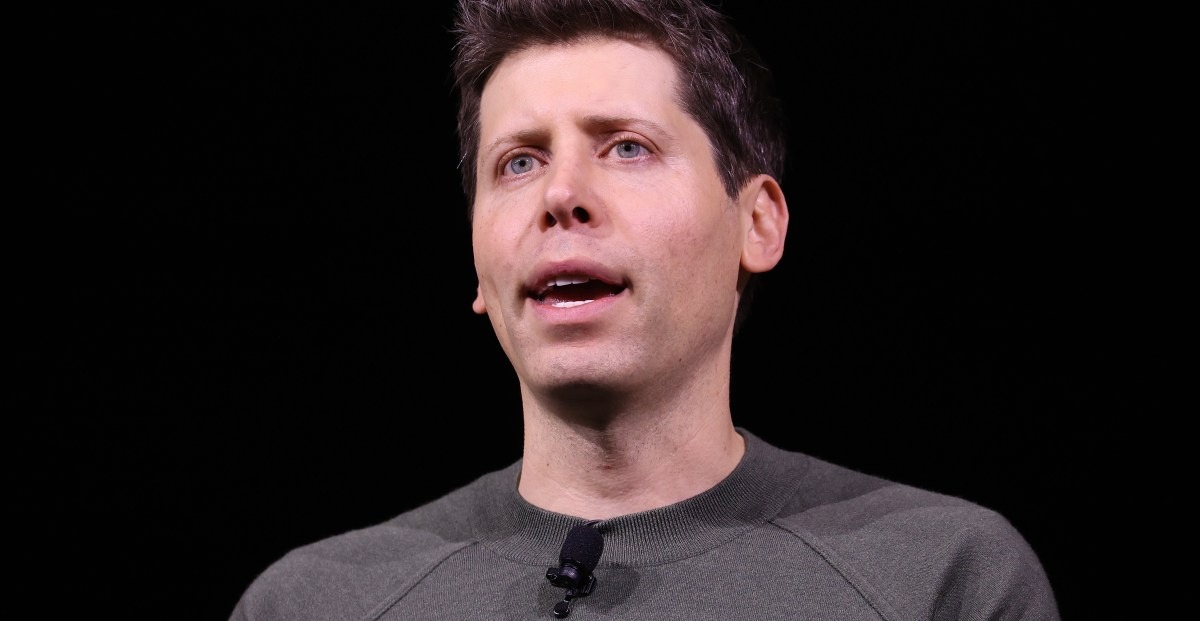
Sam Altman went on the Cheeky Pint podcast this week and called the RAM shortage “quite terrible” from a global allocation standpoint. His complaint: the world’s limited DRAM sits in personal computers that use it five percent of the time.
“You want maximum utilization in the cloud,” he said. He told the host that the local inference camp has the intuition backwards.
The part he gets right
Utilization is a real number. A desktop that idles 95% of the day holds memory a shared cluster could rent by the second. Samsung and SK Hynix have signed long term deals with cloud operators and with projects like Stargate that reserve much of the world’s memory output for years. Those contracts set the price a retailer charges you. Laptops, phones and workstations got more expensive this year for the same reason cloud capacity did.
The part he skips
Altman counts idle memory as waste. A solo developer counts it as capability. A local model keeps client data on the machine, runs on a plane, and bills nothing per token. A studio that owns a local image or transcription pipeline carries a fixed cost and no rate limit. Move that work to the cloud and it picks up a meter plus a dependency on someone else’s capacity. Both numbers are real. He quotes one of them.
How to plan around it
If you buy hardware for AI work, assume memory inflation continues and budget for the machine rather than the model. If you rent inference, price your monthly tokens at today’s rate and stress test the number at double. If privacy or offline access keeps a model on your desk, write that requirement into your budget now, while the hardware still exists at a price you can defend to yourself.
Nobody knows when the shortage clears. The next fab line is years out, and every lab in this race signs contracts that pull memory away from retail. Decide which side of the meter your work belongs on before you replace the machine.
