



Every nomad answers the same question before a long trip: eSIM or a physical SIM? The internet usually answers with a brand or a slogan. The honest answer depends on three numbers you already know: how long you stay, how much data you burn, and how many countries you cross.
I kept a spreadsheet through a year of trips and pulled the current prices from eSimDB, the comparison database that tracks more than 400,000 prepaid plans from 240-plus providers. Here is the math, country by country, and the traps that cost people real money.
What Each One Actually Is
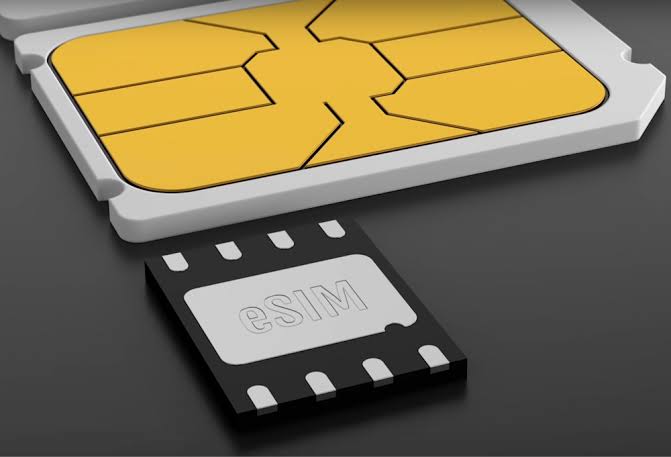
An eSIM is a data plan you buy online and install with a QR code. It activates before you fly, so you land connected. Your home number stays active for calls and texts, and one plan can cover several countries.
A local SIM is a prepaid card from a carrier in the country you are in, bought with your passport at a shop or an airport counter. It anchors to that network, gives you a local phone number, and usually unlocks the cheapest per-gigabyte rates for heavy use.
The Real Cost Math
Start with the price per gigabyte, because that is the number that decides the comparison. In 2026 the cheapest large eSIM plans land near $0.24 to $0.85 per gigabyte, and local SIMs in the cheapest markets beat that outright.
| Country | eSIM per GB | Local SIM per GB | Who wins |
|---|---|---|---|
| Thailand | $0.40 (Nomad 50GB $12) | $0.50 | Close, eSIM on convenience |
| Vietnam | $1.00 | $0.20 | Local by far |
| Indonesia | $1.20 | $0.30 | Local |
| India | $0.80 | $0.10 | Local |
| Malaysia | $1.00 | $0.40 | Local |
| Mexico | $1.50 | $0.80 | Local |
| Portugal | $1.40 | $1.30 | Level |
| Japan | $2.50 | $3.00 | eSIM |
| USA | $3.00 | $4.00 | eSIM |
| UAE | $2.50 | $4.00 | eSIM |
Two patterns jump out. In Europe and North America the eSIM matches or beats the local card, mostly because carriers there price data high and the eSIM sellers compete globally. In Southeast Asia and India the local card destroys the eSIM on pure price, sometimes by five to ten times.
The second pattern matters more than the first. Inside any one seller, the price per gigabyte falls as the plan gets bigger. Airalo’s Spain ladder runs $4 per GB on a 1GB plan down to $0.78 per GB on 50GB, a fivefold spread from the same provider on the same day. The plan on the landing page is almost always the worst value. Buy one size up and the rate drops.
Where the Local SIM Wins
Cheap-data countries reward the trip to the carrier store. Vietnam sells data near $0.20 per gigabyte, India near $0.10, and Indonesia near $0.30. A nomad in Malaysia reported buying 250GB on a local SIM for the price an eSIM charged for 5GB, with faster speeds on top.
Long stays tilt it further. A month in one country on a local prepaid plan costs a fraction of an equivalent eSIM, and the unlimited tiers are built for tethering a laptop all day. If you push large files or run client video for hours, the local card pays for itself within a week.
Heavy users and calls are the other reasons. A local number gets you SMS codes and local services the eSIM cannot. Thailand’s AIS and True tourist bundles cover a week for under 500 baht and a full 30 days for around 1,000 to 1,200 baht, hard to beat for a long base.
Where the eSIM Wins
Short trips and multi-country routes are where the eSIM earns its keep. One regional plan covering Europe or Southeast Asia costs less than four separate local cards and saves four store visits. You install it before the flight and skip the arrivals counter entirely.
Europe is the clearest case. Because EU roaming lets a local SIM from your first country work across the bloc, a single local card can cover a multi-stop trip. But the airport counters that sell them charge captive-airport prices, and the eSIM now matches the city-store rate while activating before you leave home. In Portugal a 5GB, 7-day eSIM costs about $2.21 against roughly $18.50 at the Lisbon arrivals counter.
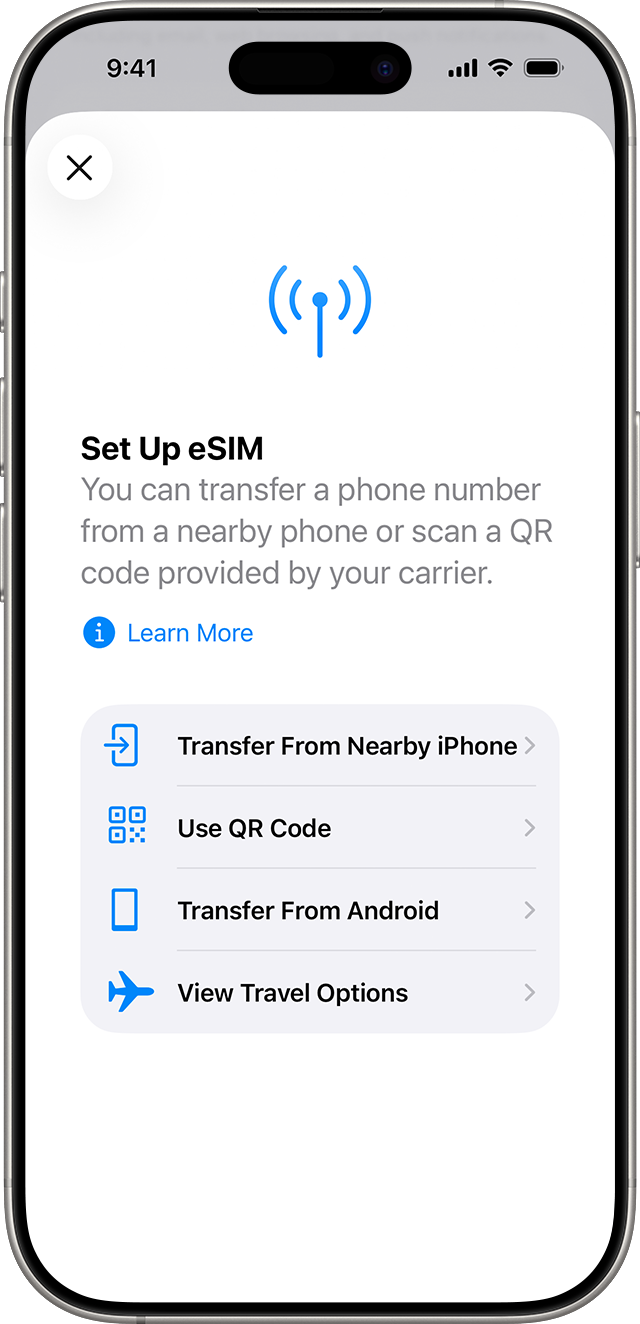
Keeping your home number alive is the quiet advantage. Bank codes and client calls route to your usual line while the eSIM handles data, so you never hand your number over to a carrier desk in a language you do not speak.
The Traps That Cost Real Money
“Unlimited” is rarely unlimited. Travel eSIMs often throttle hard after a hidden fair-use cap. A nomad on Reddit described paying for “unlimited” that dropped to unusable speeds after a few gigabytes. A clear 20GB high-speed plan usually performs better than a loud unlimited promise.
Some eSIMs are throttled to LTE. Travelers in Vietnam and Indonesia found their eSIM restricted to LTE while a local SIM ran full 4G, from the same towers. If you are staying long enough that speed matters, test one day on each before committing.
Your “local” eSIM may not be local. Several providers route traffic through hubs in other countries, so a Japan eSIM can show an IP in Hong Kong. Work apps that check location sometimes flag this. Local SIMs avoid it.
Airport counters are a captive market. The same carrier card costs two to three times more at arrivals than in a city store. If you buy local, walk ten minutes into town instead of buying in the arrivals hall.
How to Find the Cheapest, in Order
This is the method that actually saves money, and it is the one experienced nomads repeat. See the underlying digital nomad statistics for the numbers.
Decide the data size and the number of days first, because the rate swings fivefold on that alone. Then open a comparison database like eSimDB and read the plan ladder for your destination rather than the featured plan. Check the validity window as well as the size, since the cheapest rate on the whole market often comes on a short ten-day plan. For anything past two weeks in one country, price a local SIM against the eSIM before you buy, because that is where the local card overtakes it.
Country Spot Checks
Thailand. A week-or-less tourist SIM at the airport runs about 399 to 499 baht and a 30-day bundle near 1,000 to 1,200 baht. A Nomad 50GB eSIM covers ten days for $12, or $0.24 per gigabyte, one of the cheapest rates anywhere. For a short trip the eSIM wins on setup; for a month, the local card wins on repetition.
Portugal. Airport SIMs from MEO, NOS, and Vodafone run $10 to $20 for 10 to 30GB in the arrivals hall, while city stores sell closer to $8 to $15 for a month. A 5GB, 7-day eSIM costs about $2.21. The eSIM costs a fraction and skips the queue.
Japan. The cheapest eSIM gigabytes land near $0.85 at the 50GB tier, and a local prepaid with unlimited high-speed days runs about $2 per day. The eSIM wins for a two-week trip, the local card for a long stay.
USA. Local prepaid runs about $4 per gigabyte, the eSIM about $3. The gap is small, so convenience decides, and the eSIM activates before you land.
Vietnam and Indonesia. Local data dips to $0.20 and $0.30 per gigabyte, and eSIMs have been throttled to LTE here. If you stay long, buy local.
The Setup I Actually Run
I keep a cheap global eSIM active for the first day and for backup, then buy a local SIM when I stay past two weeks. The eSIM covers the gap between landing and finding a carrier store, and it stays as a failover line for client calls. One phone, two plans: the eSIM for data on the move, the local card swapped in when a month of heavy work is on the table.
My Field Notes
Buy the eSIM before you fly. Airport Wi-Fi is a bad place to install a plan you now depend on.
Check that your phone is carrier-unlocked and eSIM-capable before you leave. A locked handset turns a two-minute setup into a store visit you did not plan for.
Match the tool to the trip. Short and multi-country, take the eSIM and read the ladder. Long and data-hungry in a cheap market, take the local card and walk past the airport counter. Everything else is a rounding error next to the money you keep by buying the right size plan. Run your own itinerary through the eSIM vs local SIM cost calculator before you commit.
