



Every country now sells a digital nomad visa, and almost every comparison you read lists the same ten. What those lists skip is the part that decides your life: the income floor is a gate you clear once, and the tax clause underneath it decides more than the headline rate.
I keep a folder of consulate pages, bank statements, and the notes I took through a year of border crossings. This is the map as it stands in late 2026, country by country, with the current numbers and the catch behind each one.
One warning before the tables. Three of the biggest European programs (Spain, Portugal, Croatia) peg their income floor to a national wage that resets every January. Any figure copied from a 2024 post is already wrong. I used the 2026 numbers and named the source so you can check them the week you file.
The Map at a Glance
| Route | Stay | Income bar (2026) | Tax on remote income | Monthly cost of living |
|---|---|---|---|---|
| Portugal D8 | 1 year, renewable to 5 | €3,680 | Standard to 48%; IFICI 20% if you qualify | Lisbon ~$2,575, Porto ~$2,275 |
| Spain DNV | up to 5 years | €2,442 | Beckham 24%, employment only | Valencia ~$2,325, Barcelona ~$2,800 |
| Croatia DNV | 18 months, no renewal | €3,622.50 | Foreign income exempt | Zagreb and Split below Lisbon |
| Estonia DNV | 1 year, no renewal | €4,500 gross | Flat 22% if resident 183+ days | Tallinn ~$2,475 |
| Italy DNV | 1 year, renewable | €25,500/year | Forfettario 5% for small self-employed | Milan and Rome above the value tier |
| Greece DNV | 1 to 2 years | €3,500 net | 50% cut, needs Greek employment | Athens among the cheapest EU capitals |
| UAE remote work | 1 year, renewable | $3,500 | 0% personal income tax | Dubai ~$3,500 |
| Thailand DTV | 5 years, 180 days per entry | ฿500,000 savings | Remitted income taxable if resident | Chiang Mai ~$1,325, Bangkok ~$1,300 |
| Malaysia DE Rantau | 12 to 24 months | $24,000/year | Foreign income exempt to 2036 | Kuala Lumpur ~$1,000 |
| Indonesia E33G | 1 year, renewable | $60,000/year | Taxed once resident | Bali ~$1,100 |
| Georgia | 1 year visa-free | None | 1% on turnover | Tbilisi ~$1,000 |
| Japan / South Korea | 6 months / up to 2 years | ¥10M/year / ~$53k | Standard if resident | Tokyo ~$3,000 |
The spread in the last column is the fact worth keeping. A remote salary that feels comfortable in Hanoi feels stretched in Lisbon, and both appear on every list.
Portugal: The Reference Point, Now Expensive
The D8 asks for four times the Portuguese minimum wage, which the 2026 wage of €920 a month sets at €3,680. You file at a consulate, then register with AIMA once you land.
The tax story changed. The old NHR regime closed to new arrivals and was replaced by IFICI, which applies a flat 20% for ten years to qualifying scientific, tech, and innovation work. A generic developer or marketer often fails the eligibility list. If you do not qualify, you pay standard Portuguese rates that climb to 48%, and you must file a return on worldwide income even with no Portuguese-source income.
Lisbon costs about $2,575 a month, more than double Hanoi, and rent has roughly doubled since 2019. Porto and Madeira undercut the capital and qualify under the same visa. Portugal keeps a real path to permanent residency at five years and citizenship after that, which is why people still pay the premium. For the lived version of those numbers, read an American nomad’s two-week field report from Lisbon.
Spain: Lowest Bar in Europe, Trickier Tax Than Advertised
Spain pegs the teleworker visa at 200% of the minimum wage. Royal Decree 126/2026 set the wage at €1,221 a month, so the floor lands near €2,442, the lowest of the big European economies. The permit runs up to five years with a path to permanent residency.
The Beckham Law gets quoted in every article and misread in most. It applies 24% to employment income up to €600,000, and it is built for employees on a Spanish payroll. Freelancers paid from abroad usually land on the standard progressive scale instead. Nomads on the visa report that a strong freelance year gets taxed hard. Check your category with a Spanish adviser before you count on the 24%.
Cost of living sits above Portugal in the big cities. Barcelona runs near $2,800 a month, Valencia near $2,325. Spain wins when your income sits between €2,442 and the Portuguese €3,680 and Portugal is simply out of reach.
Croatia: The Cleanest Tax Clause in Europe
Croatia is the only big EU program that exempts foreign remote income outright for the visa’s whole duration, even past 183 days. The Ministry of the Interior set the 2026 floor at €3,622.50 a month, tied to 2.5 times the previous year’s average net salary, or €43,470 in savings for a twelve-month stay.
The catch is structural. The permit lasts up to eighteen months, does not renew, and forces a six-month gap before you can reapply. There is no path to residency, so you rent your tax break by the year and a half. For a freelancer chasing a clean, tax-free stretch in a Mediterranean country, it is hard to beat. For someone building toward a passport, it is a dead end.
Estonia: Highest Bar, Best Structure for Founders
Estonia wants €4,500 a month gross, the steepest requirement in Europe, shown over six months of income history. The visa runs one year with no renewal and no path to residency.
You do not come to Estonia for the visa. You come for the e-Residency stack. An Estonian company pays 0% corporate tax on retained profits and is taxed only when it distributes dividends. If you run clients through an OÜ and reinvest, that structure beats almost every personal tax regime on this list. If you physically stay past 183 days, personal tax is a flat 22%.
Italy: The 5% That Almost Nobody Mentions
Italy’s remote worker visa targets highly skilled people, and the consulate figures sit near €25,500 a year, with variation by post. The visa renews.
The reason to look at Italy is Forfettario, a self-employed regime that taxes turnover up to €85,000 at 5% for the first five years. Above that threshold it jumps to 15%, and the math flips. For a solo operator billing under the cap, Italy produces one of the lowest effective rates anywhere in the EU. For a higher earner, the cliff makes it useless.
Greece: The 50% Cut Has a Catch
Greece asks for €3,500 a month net and grants a permit of one to two years. Athens is one of the cheapest EU capitals, and the islands sell themselves.
The celebrated 50% income tax cut for seven years requires Greek employment or a Greek-registered activity, and the nomad visa forbids exactly that. A pure remote worker for a foreign client does not qualify. Greece also moved to consulate-only applications in February 2026, closing the old route where people entered as tourists and switched status from inside. Every guide that still describes that switch is out of date.
The UAE: Zero Tax, Highest Cost
The UAE remote work visa needs $3,500 a month, runs a year, renews, and lets you sponsor your family. There is no personal income tax at all, for residents and nomads alike. That is the whole pitch.
Dubai costs about $3,500 a month, which means a person on the minimum income spends all of it on living. The value only appears once you earn well above the floor. For a high earner who wants a zero-tax residency and does not mind the heat or the rent, it works. For someone near the threshold, it is a wash.
Thailand: The Best Deal in the World, If You Read the Fine Print
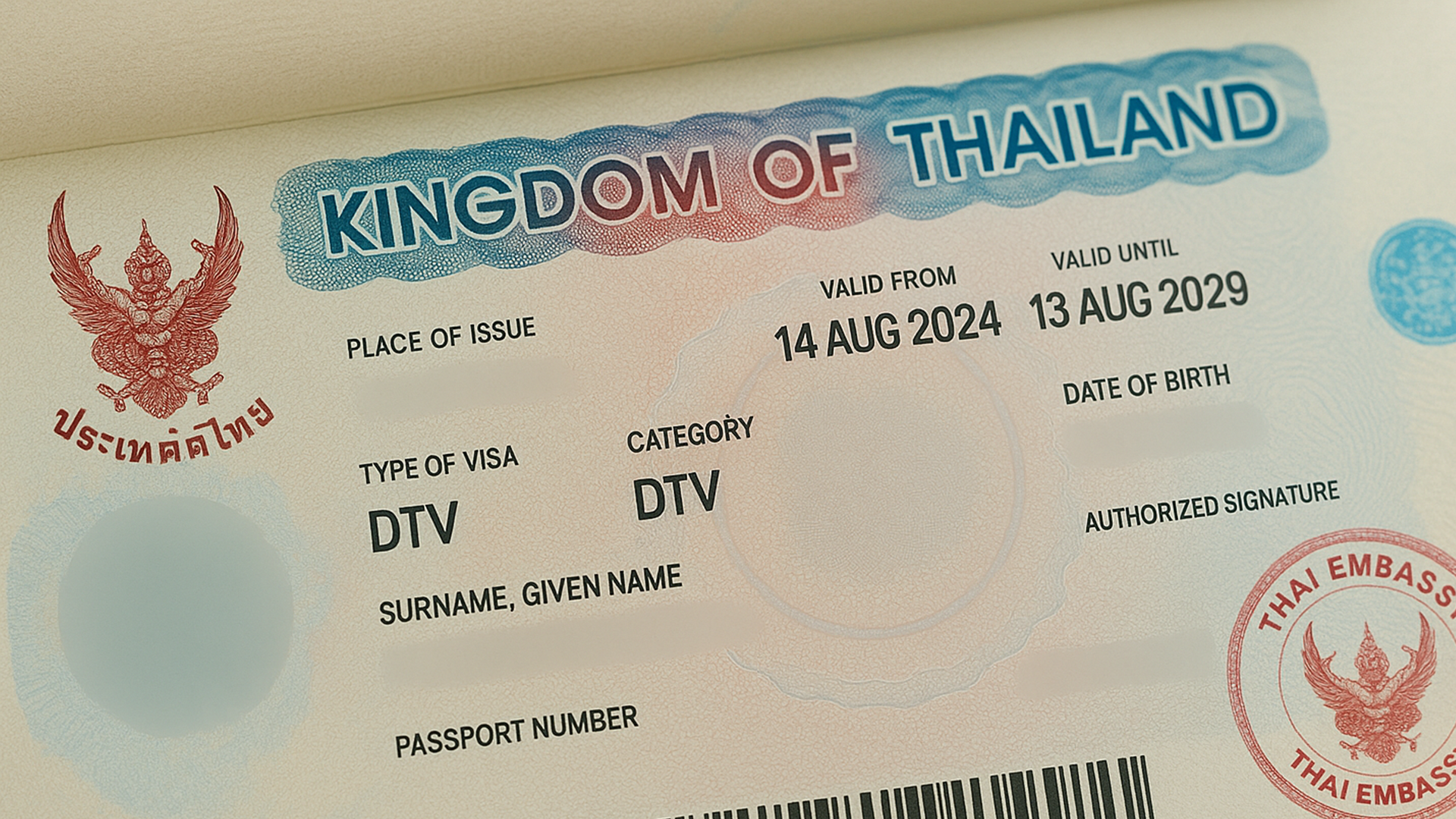
The Destination Thailand Visa flipped the regional math. A five-year, multi-entry permit, granted on ฿500,000 (about $14,500) in savings rather than a monthly salary, with 180 days per entry and a cheap in-country extension. No monthly income test at all.
The tax catch is real. Once you are a Thai resident for 180 days or more, remitted foreign income can be taxed. Long stayers should manage entries and remittances together. The other limit is that the DTV is a visa rather than a residence permit, so it never counts toward permanent residency.
On cost, Chiang Mai still runs near $1,325 a month with some of the best nomad infrastructure anywhere, and Bangkok near $1,300 with a furnished condo on a train line for $500.
Malaysia: Low Bar, Long Tax Exemption
The DE Rantau pass asks for $24,000 a year, roughly $2,000 a month, and runs twelve to twenty-four months. Malaysia runs a territorial system, and foreign-source income is generally exempt. Recent guidance extends that exemption well into the 2030s, which makes it one of the most generous low-bar options in Asia.
Kuala Lumpur lands near $1,000 a month, with English-language infrastructure that makes the move easier than most. The trade-offs are a smaller nomad scene than Bangkok or Bali and no path to residency.
Indonesia (Bali): Expensive Bar, No Tax Break Worth Counting
The E33G remote worker permit requires $60,000 a year, the highest bar in Asia, for a one-year stay that renews. Bali is the draw. The figures are less friendly.
People assume Bali is tax-free. Under the current regulation, foreign income falls under local rules once you cross the residence threshold, and tax residency can start on arrival. Bali also runs near $1,100 a month, more than the old backpacker reputation suggests, with traffic as the daily tax on your patience.
Georgia: The No-Paperwork Option
Georgia sets no income test. Most passport holders get a full year on arrival, and small-business individual entrepreneur status taxes income at 1%. For a freelancer who wants to skip consulates entirely, it is the simplest legal setup on this list.
Tbilisi runs near $1,000 a month. The caveats are the ones the subreddit repeats: the 1% only holds if you register the status properly, banking is awkward for non-residents, air quality in Tbilisi gets rough, and if you stay past 183 days you become a tax resident of Georgia on the 1% or 20% regime depending on your structure. Reddit threads from people who used Georgia as a four-year tax base describe the paperwork as easy and the long-term boredom as real.
Japan and South Korea: Short Sprints, Not Bases
Japan’s digital nomad visa wants ¥10 million a year, grants six months, and does not extend. South Korea’s workation visa runs up to two years with a higher bar near $53,000. Both are clean, well-connected, and expensive. Tokyo sits near $3,000 a month. Treat both as a summer base, and the math is honest.
For cheaper Americas bases, Colombia sets the lowest serious bar near $900 a month for a two-year permit, and Mexico accepts about $2,600 a month or $43,000 in savings on a territorial system that taxes only Mexican-source income. Both cost less than the European programs and neither leads to a fast passport.
The Rankings the Lists Never Give You
Lowest tax on remote income
The UAE pays 0%. Croatia exempts foreign income for the permit’s length. Georgia charges 1% on registered turnover. Malaysia exempts foreign income through the 2030s. If the tax line is your priority, those four sit alone at the top.
Lowest tax with a Western passport at the end
Portugal at 20% under IFICI and Spain at 24% under Beckham both build toward residency and citizenship. Italy’s Forfettario at 5% beats them on rate for a small self-employed operator, though it does not last past five years and the bar is higher than people expect.
Cheapest to live
On 2026 cost data, Hanoi leads near $1,150 a month, followed by Chiang Mai, Tbilisi, Kuala Lumpur, and Medellín, all comfortably under $1,600. Asia supplies the floor, and Latin America fills the lower middle. A comfortable life in most of these costs less than half of Lisbon.
Most expensive
Dubai near $3,500 and Tokyo near $3,000 sit at the top, with Lisbon, Barcelona, and Valencia forming a European premium tier above $2,300. The expensive cities are still where the best-paying clients and the easiest flights live, which is why people pay for them anyway.
What Actually Decides Your Route
Income proof comes first. Every program here except Georgia and Thailand’s savings route wants a monthly figure, usually shown over three to six months of bank statements coupled with client contracts. A lump sum does not count.
Tax residency is the second filter, and the one people get wrong. A visa is permission to stay, not a tax plan. The 183-day clock in most countries turns a visa holder into a tax resident on worldwide income, and your home country only lets go if you meet its exit rules. The people who get burned are the ones who move with no plan and get a letter asking for proof of residency elsewhere two years later.
Banking, insurance, and paperwork round it out. Croatia wants six months of statements. Spain files through the UGE portal. Portugal files at a consulate and misses nothing quietly. Budget six to eight weeks of document prep with apostilles before you apply.
My Field Notes
Pick the country from your income and your tax situation. Leave the photo out of it. A €2,600-a-month freelancer cannot use Portugal and can use Spain. A €5,000-a-month founder saves real money in Georgia or the UAE and gives it back in Lisbon.
Keep one folder with dated bank statements, client contracts, and tax returns in PDF. When a threshold resets in January, you want to apply that same week with clean paper before the queue builds.
Read the official source in the month you file. The floors move every year, the tax regimes have closing windows, and the only map worth trusting is the one updated this season. This is not tax advice. Model your own numbers with an adviser in both countries before you commit a year of your life to a clause you have not read.
For the numbers behind the trend, see our digital nomad tech and connectivity statistics page, updated for 2026.
