


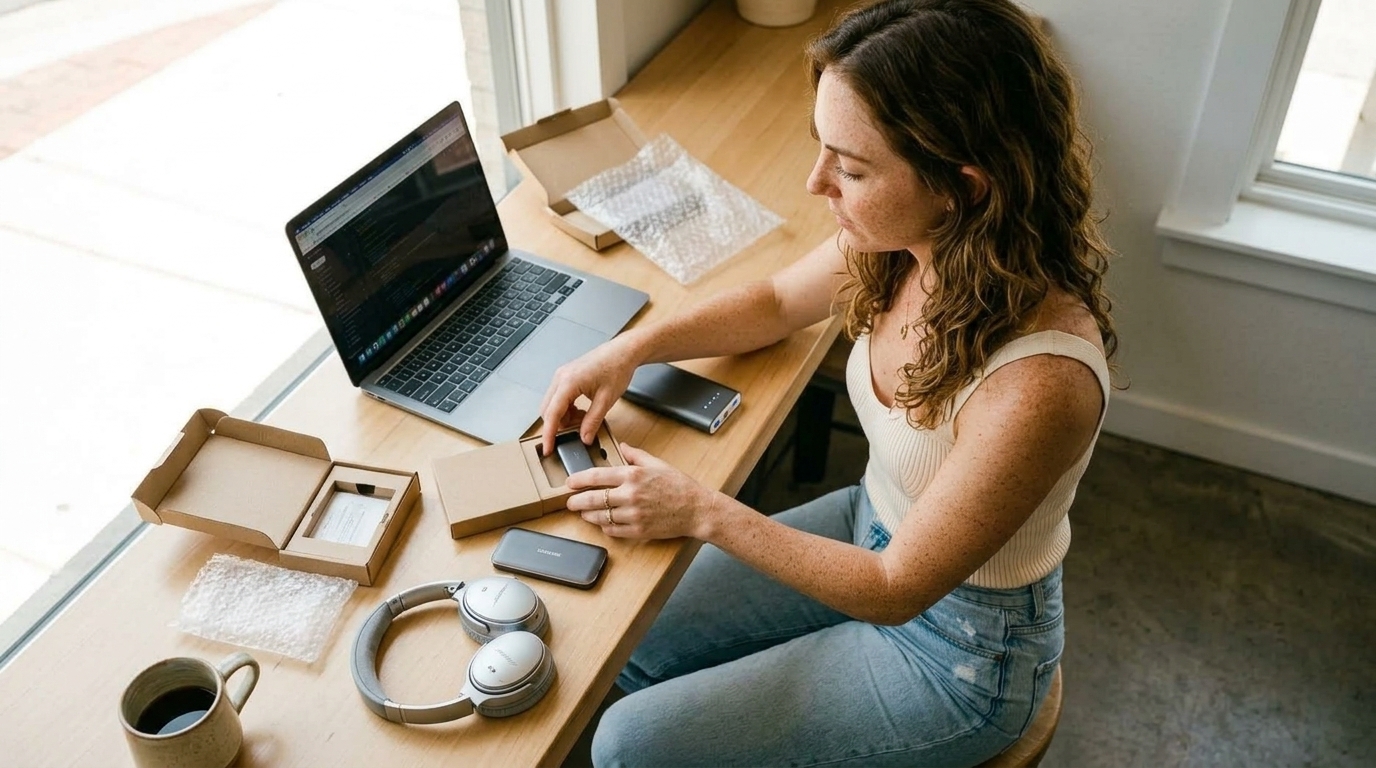
When I started travelling as a digital nomad, I packed out of fear. My backpack held just-in-case cables, bulky power bricks, and accessories I used twice. A few thousand miles of airports, train stations, and cafe tables later, the lesson stuck: a heavy bag slows you down. Every extra pound is weight you carry through a border crossing at 6am.
If you move across borders for six months or more while writing code, running automation pipelines, and taking client calls, your kit has to be light, modular, and reliable.
I’m not paid by any brand below. This is the setup I actually travel with, and it has held up through months of continuous motion.
1. The Core Workstation
Your laptop is your office. Get this wrong and nothing else matters.
Primary: 14″ Apple MacBook Pro (M-series)
A 16-inch screen is nice until you try to open it on a cramped tray table or a tiny cafe ledge. The 14-inch body hits the right balance of thermals, battery life, and a footprint that fits in a day bag.

Alternatives: If you need Windows or Linux and long off-grid battery life, the Dell XPS 13 and Lenovo ThinkPad X1 Carbon are the two most durable options I’ve seen in the field.
2. Portable Monitors
Switching between terminal windows, an n8n canvas, and docs breaks your focus. A second screen fixes that, but many portable monitors drain your laptop battery in under two hours.
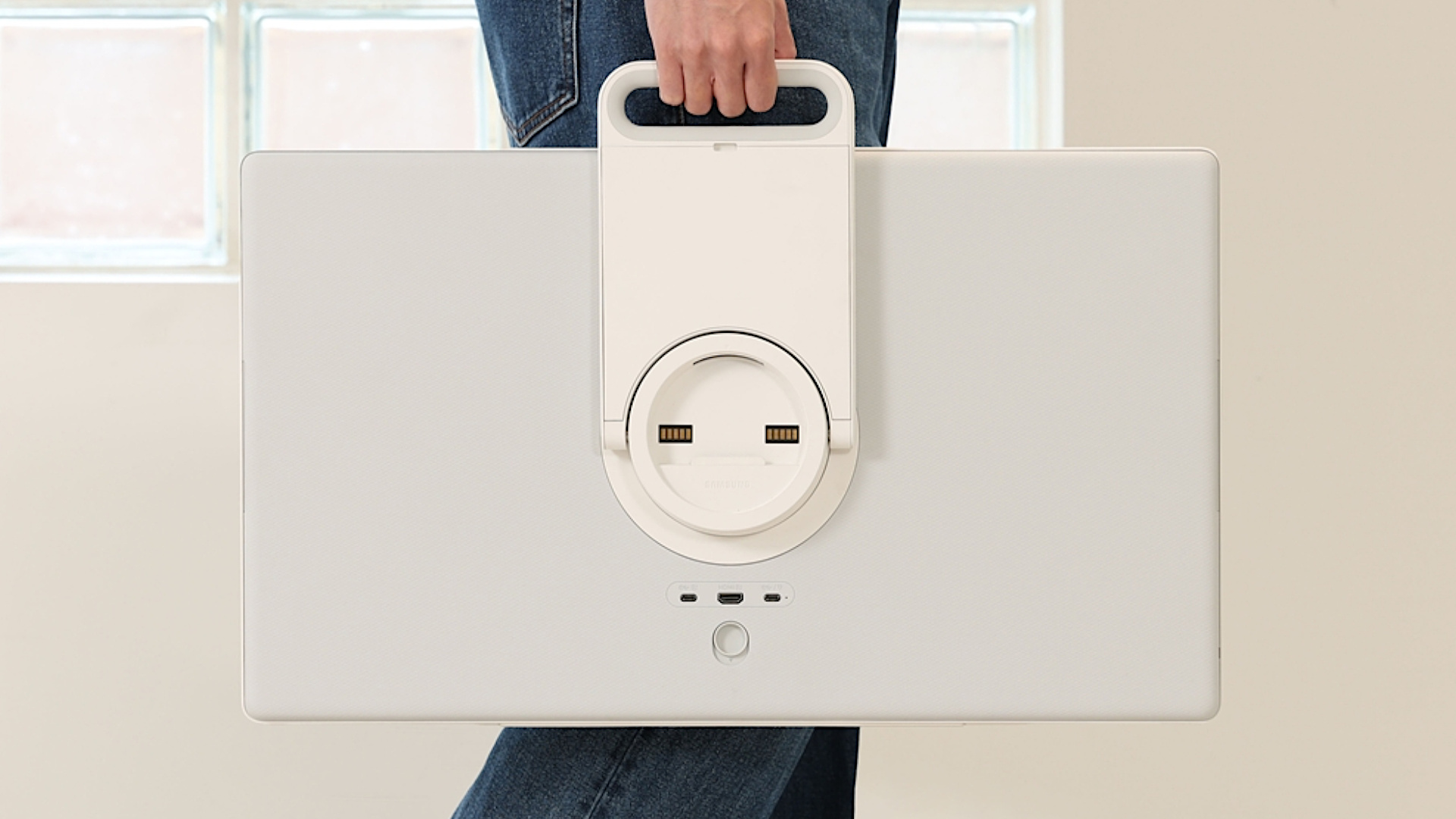
Look for: Asus ZenScreen OLED, or an ultra-slim 15.6-inch USB-C panel from Arzopa or Upperfect.
Field tip: Pick a model with pass-through power. One USB-C cable then carries the display signal and charges your laptop from the same wall adapter, which keeps the desk clean.
3. Power Management
Stop hunting for the two free outlets in a crowded cafe. Carry your own supply.
| Component | Spec |
|---|---|
| Primary wall charger | 100W-140W GaN (Anker Prime / UGREEN Nexode / Baseus) |
| Power bank | 20,000-27,600 mAh (Anker 737 / UGREEN 145W / EcoFlow) |
| Flight limit | 100Wh max, which keeps you inside airline cabin rules |
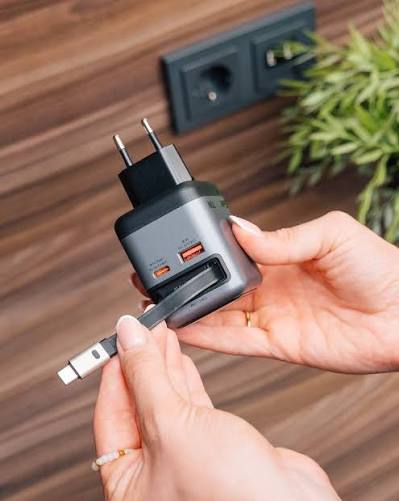
One charger for everything. A 100W-140W GaN brick from Anker, UGREEN, or Baseus is small enough to palm and still fast-charges your laptop, monitor, and phone at once. No proprietary power bricks required.
Power banks that clear security. The Anker 737 or UGREEN 145W hold around 24,000 mAh, which stays under the 100Wh cabin limit, and give your laptop another 4 to 6 hours of compile time away from a socket.
4. Posture and Ergonomics
Eight to ten hours hunched over a low table will wreck your back and neck within two weeks.
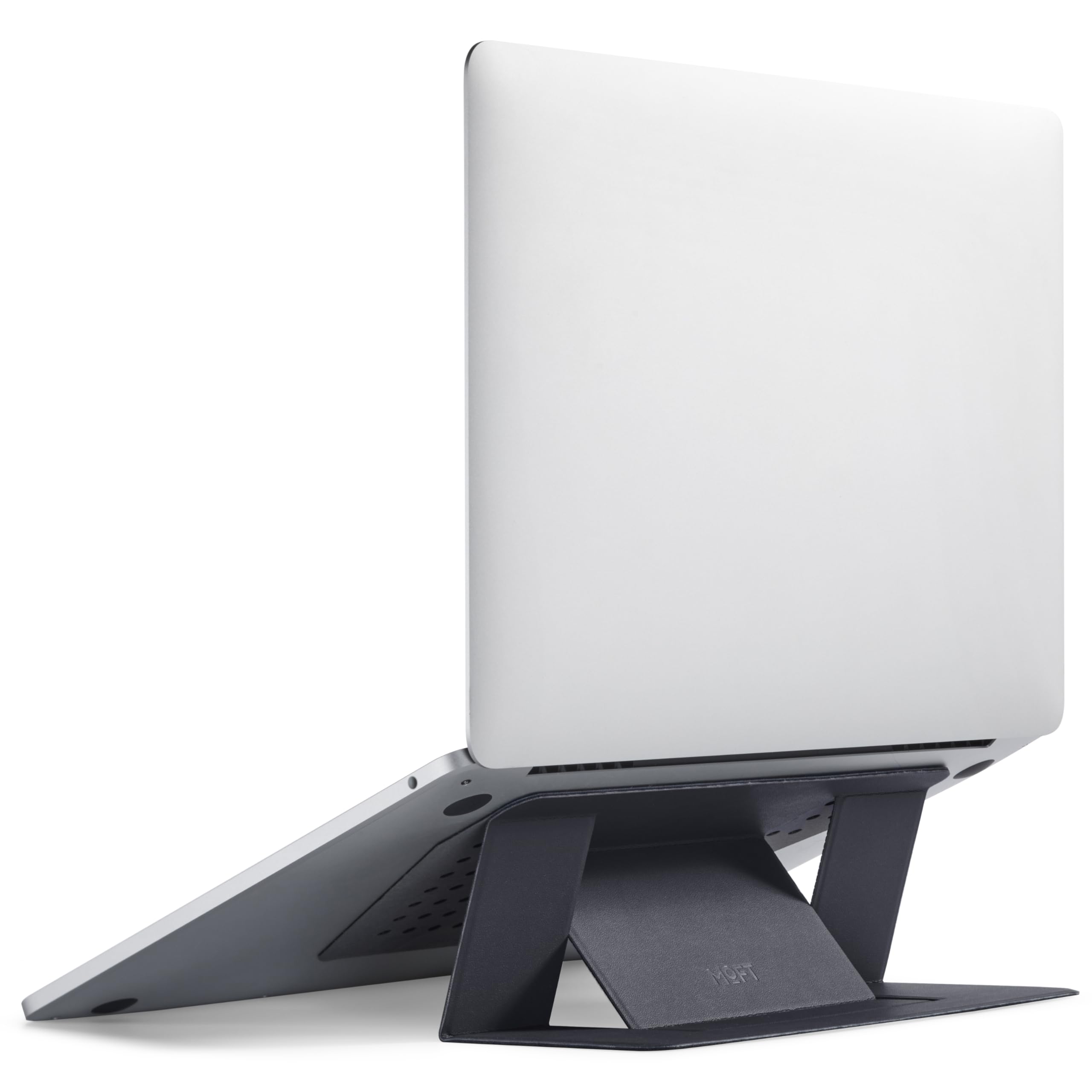
Stand: Roost Laptop Stand V3 or the MOFT Foldable Stand. The Roost folds to the size of a small umbrella and lifts your screen to eye level. Pair it with a compact keyboard (Keychron K3 or Logitech MX Keys Mini) and a travel mouse (Logitech Lift), and any flat surface becomes a workstation.
5. Cables and Pouches
Digging through a tangle at the bottom of your bag kills momentum.
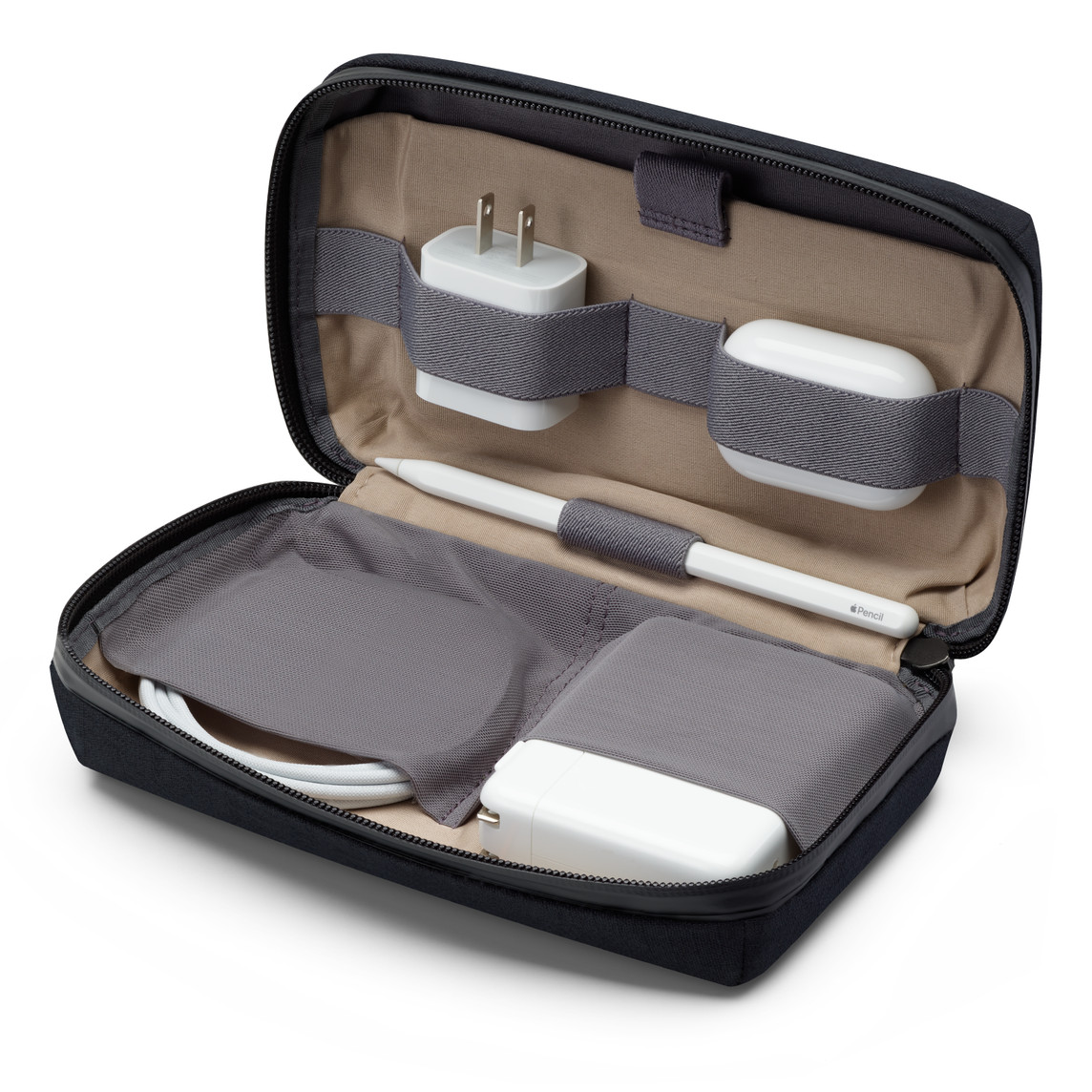
Pouch: Bellroy Tech Kit, Peak Design Tech Pouch, or Native Union Stow.
Inside mine:
- 2x braided USB-C to USB-C cables (240W)
- 1x compact HDMI to USB-C adapter
- 1x multi-slot SD / MicroSD reader
- 1x universal travel adapter (MOMAX or Epico)
6. Network Redundancy
For a solo operator, an internet outage costs money. Two things protect you.
eSIM: Instead of slow or unencrypted cafe Wi-Fi, I run a global eSIM from Airalo, Holafly, or Nomad and connect to local 5G the moment I land.
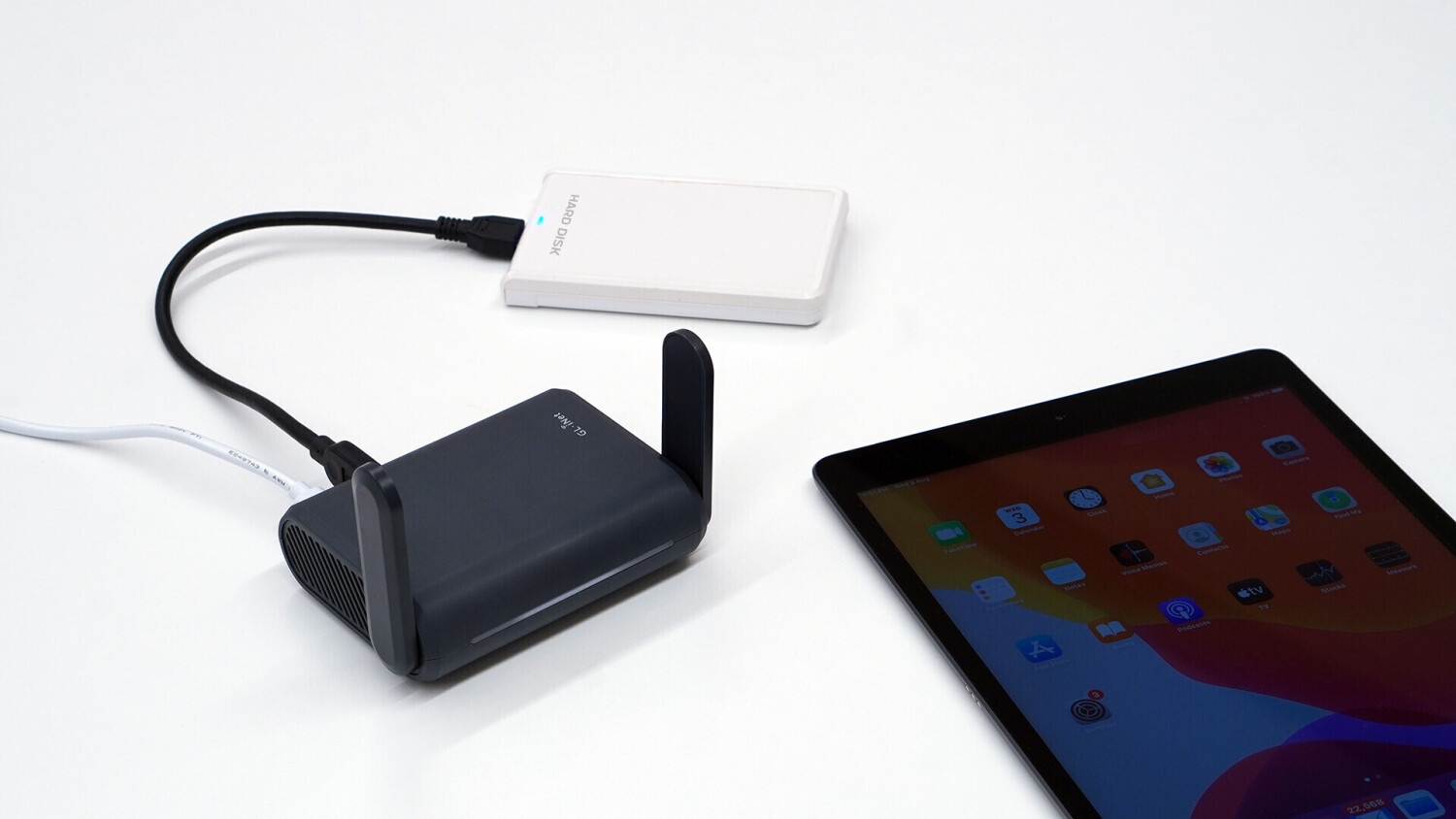
Travel router: The GL.iNet Slate AX (GL-AXT1800) or Beryl AX. It connects to open Wi-Fi, routes traffic through a hardware WireGuard or OpenVPN tunnel, and keeps your devices on your own encrypted network.
7. The Carry System
You don’t need a 50-litre hiking pack for a full engineering setup. Chosen with intent, a 20 to 24-litre backpack is enough.
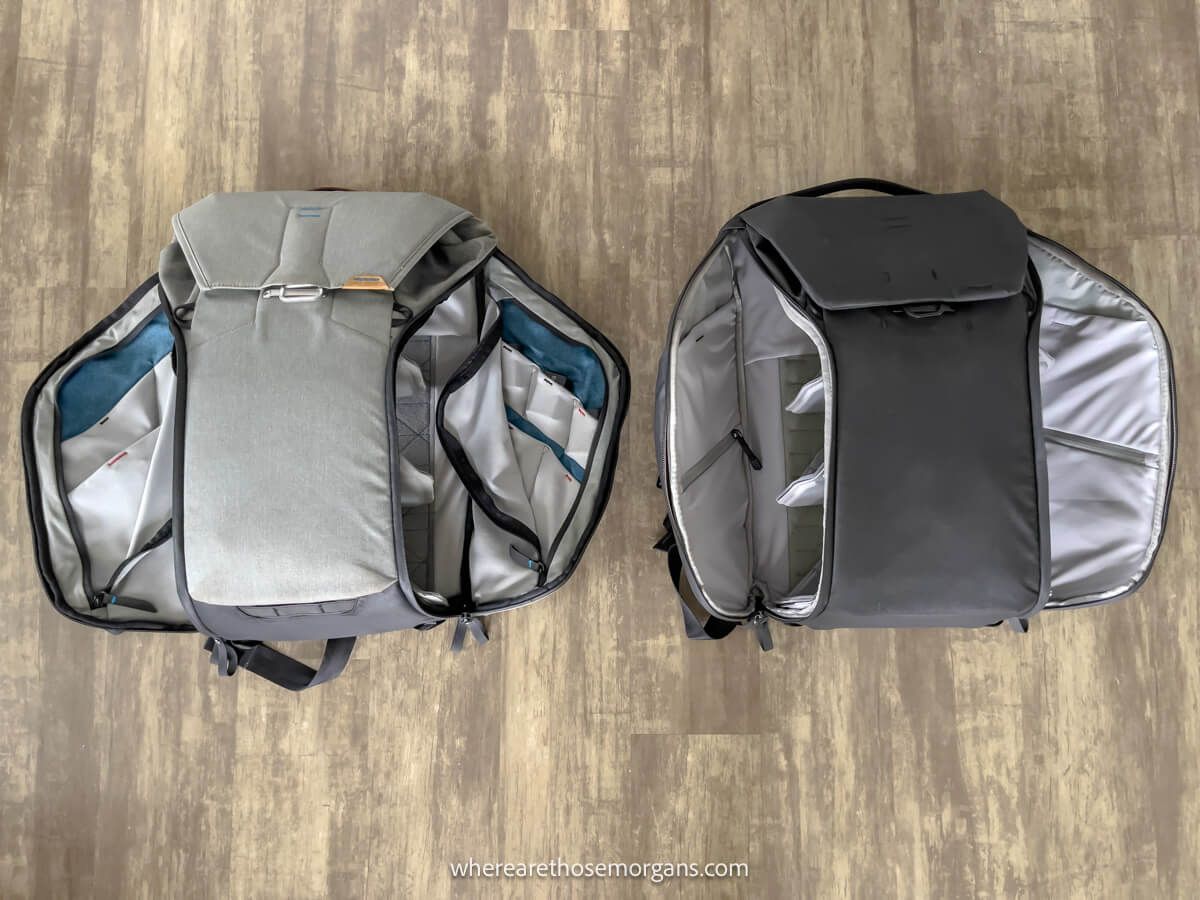
- Peak Design Everyday Backpack 20L: side access and adjustable dividers
- Aer Travel Pack 3 Small: clean urban look, built to last
- Nomatic Travel Pack: expands when you need the space
Packing Rules for Technical Gear
Carry a spare cable. If your main USB-C cable dies, work stops. Keep a high-wattage backup.
Stay under 4 kg. Laptop, chargers, stand, and pouch together come in at 3.5 to 4 kg (7.7 to 8.8 lbs).
Standardise on USB-C. No single-use proprietary chargers. In 2026, if it doesn’t charge over USB-C, it stays home.
Good hardware disappears into the background so you can build. Keep it light, keep it connected, and keep shipping.
